
The other dimension of weighing

All news Industry

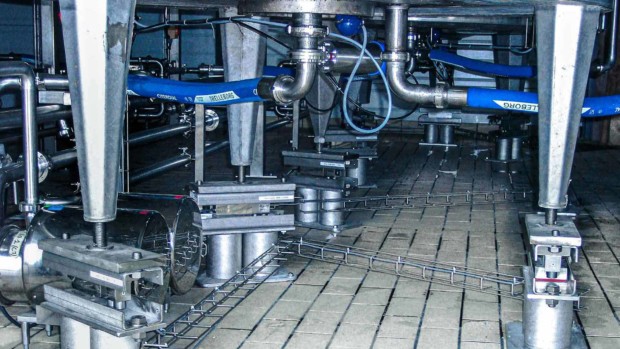
Weighing Vessels, Silos and Hoppers: Engineering for Efficient Inventory Management
In the process industry, inventory accuracy is paramount. However, weighing a 50-tonne vessel or a 200 m³ storage silo under industrial conditions is not as simple as installing weight sensors and reading a display. It requires designing a complete measurement chain capable of withstanding agitator vibrations, extreme thermal variations, corrosive environments (chemical washdowns, ATEX zones) and regulatory constraints. Poor mechanical integration or poorly isolated piping can completely compromise process accuracy. So, how do you transform a massive structure into a high-precision measurement tool? This guide provides the key insights for robust weighing instrumentation, from selecting the right sensor technology to on-site commissioning.
Read more
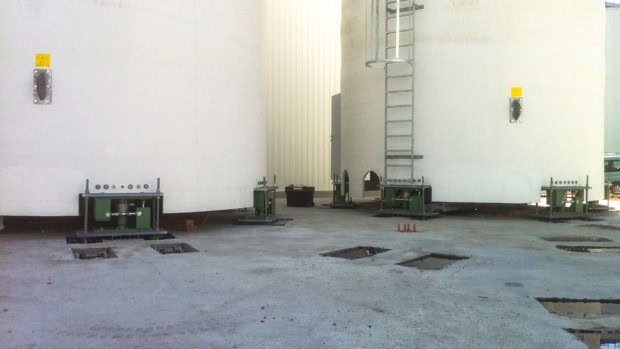
Industrial load cells: operation, types, and selection criteria
In the Industry 4.0 ecosystem, data is the engine of performance. Industrial weight measurement plays a fundamental role in numerous production and control processes. Whether dosing raw materials, monitoring filling levels, supervising automated lines, or ensuring equipment safety, the reliability of the weighing system is strategic. At the heart of these systems lie industrial load cells, also known as weight sensors or force measurement cells. Often invisible as they are integrated into structures—under silos, tanks, or conveyors—they convert mechanical force into data usable by automation systems. Their precision, stability, and robustness directly determine the reliability of the overall system. They are the critical element of any measurement chain; an unsuitable selection can lead to metrological drift, production downtime, premature wear, or non-compliance.
Read more

Discover the company Captels Pesage

Captels

Website created by Citron Noir