The other dimension of weighing
How to choose the right industrial weighing system for your operations
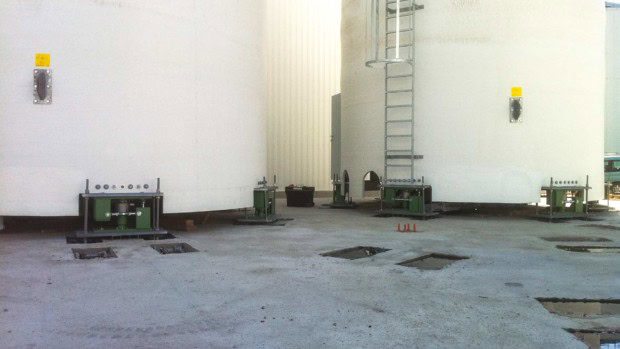
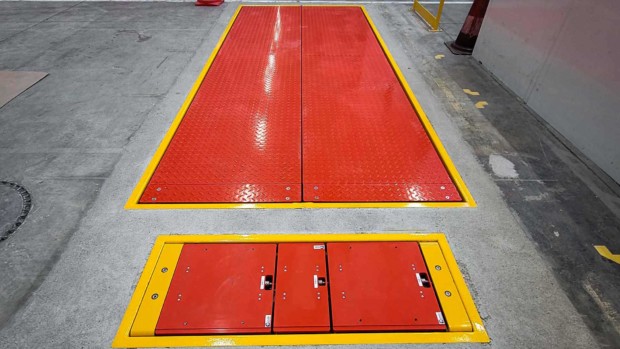
Choosing an industrial weighing system is not simply a matter of selecting a load cell, an indicator, or an axle weigher from a catalogue or website. A successful project begins with a rigorous analysis of operational requirements, site mechanical constraints, metrological standards, and the final use of the collected data. This 7-step method allows you to design a reliable, durable weighing architecture that seamlessly integrates into your processes. Sitting at the very core of our industrial weighing expertise, it is designed for technical managers, maintenance managers, process engineers, automation engineers, quality managers, and project leaders looking to structure their specification document before consulting a manufacturer or integrator.
Read more
Weighing Vessels, Silos and Hoppers: Engineering for Efficient Inventory Management
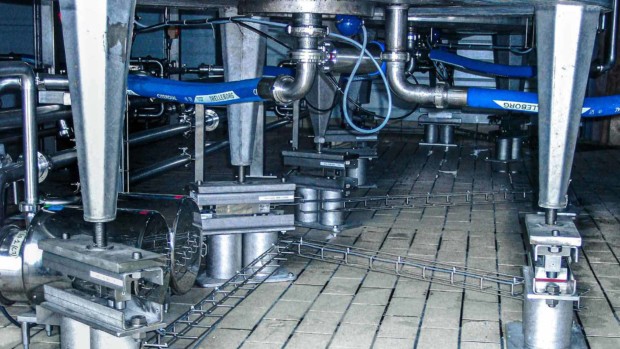
In the process industry, inventory accuracy is paramount. However, weighing a 50-tonne vessel or a 200 m³ storage silo under industrial conditions is not as simple as installing weight sensors and reading a display. It requires designing a complete measurement chain capable of withstanding agitator vibrations, extreme thermal variations, corrosive environments (chemical washdowns, ATEX zones) and regulatory constraints. Poor mechanical integration or poorly isolated piping can completely compromise process accuracy. So, how do you transform a massive structure into a high-precision measurement tool? This guide provides the key insights for robust weighing instrumentation, from selecting the right sensor technology to on-site commissioning.
Read more
Industrial load cells: operation, types, and selection criteria
In the Industry 4.0 ecosystem, data is the engine of performance. Industrial weight measurement plays a fundamental role in numerous production and control processes. Whether dosing raw materials, monitoring filling levels, supervising automated lines, or ensuring equipment safety, the reliability of the weighing system is strategic. At the heart of these systems lie industrial load cells, also known as weight sensors or force measurement cells. Often invisible as they are integrated into structures—under silos, tanks, or conveyors—they convert mechanical force into data usable by automation systems. Their precision, stability, and robustness directly determine the reliability of the overall system. They are the critical element of any measurement chain; an unsuitable selection can lead to metrological drift, production downtime, premature wear, or non-compliance.
Read more
Vehicle weighing: Optimize your stable's performance with high-precision solutions
Automobile competition is not only a spectacular sport but also an advanced technological laboratory shaping the future of the automotive industry. These technological advancements are significant economic factors in R&D investment strategies, benefiting mass production. They also enhance the brand image of automotive manufacturers. Major competitions serve as crucial platforms for improving and validating technological innovations under extreme conditions. As a performance engineer, you understand that every gram counts in the race for victory. Vehicle weighing plays a fundamental role in optimizing weight distribution settings and calculating the center of gravity.
Read more
Weighbridge and Axle Weighting system: Complete Guide for Illuminated Selection
In many industries, vehicle weighing is an essential pillar for determining the weight of goods carried. It also makes it possible to respond to the regulatory aspect of the activity and to prevent overloads. Proper selection of equipment such as weighbridges and axle weights is of utmost importance. These devices play a fundamental role in the precise management of vehicle weight and loading. Weighbridges and axle weights have distinct designs and functions. This comprehensive guide aims to enlighten professionals and decision-makers in the process of acquiring these essential equipment. This manual provides an in-depth overview of the different technologies, capabilities, and specifications of weighbridges and axle weights. It allows a clear understanding of their features and benefits. Through a detailed analysis, we will address the key criteria to consider for a wise choice, adapted to the specific needs of each company.
Read more
Weighing the harvest: an essential step for wineries seeking efficiency and traceability
The harvest period is the most important time for a vineyard. This step is decisive because it can call into question the work of a year. Winemakers must redouble their efforts to assess the maturity of the grapes in order to determine the best time to start the harvest. Viticulture is an ancestral art that combines traditional know-how and technological advances. Winemakers, anxious to optimize their harvesting processes, are increasingly turning to modern tools to improve the efficiency of harvest reception and ensure impeccable traceability. Among these essential tools, the weighing of the harvest occupies a prominent place.
Read more
Why install an in-motion axle weighing system for grain storage on a farm?
Optimising grain storage on a farm is not limited to proper grain ventilation or monitoring silos. It also requires absolute control of incoming and outgoing flows. While the traditional weighbridge remains the domain of agricultural cooperatives for legal metrology (member settlement), the dynamic axle weigher is now establishing itself as a cost-effective, high-performance alternative for arable farmers. Discover the various weigh-in-motion systems tailored to the demands of the agricultural sector, their operational benefits, and our practical advice for securing your shipments.
Read more
Mobile axle weighing systems: 3 mistakes to avoid during installation not to lose accuracy
Investing in a high-performance portable axle weigher is the most flexible solution for controlling your loads, avoiding overloading fines, and optimising your logistics flows. However, unlike a fixed weighbridge sealed into dedicated civil engineering works, this equipment rests directly on your site's ground. In the field, weighing reliability depends not only on sensor precision. Over 80% of observed metrological errors stem from incorrect installation. A simple foundation defect or poor alignment is enough to distort your checks and create major weighing discrepancies. To guarantee repeatable and compliant measurements, our experts have identified the three most frequent site layout pitfalls and the technical rules to neutralise them.
Read more
The importance of weighing systems for the aeronautics industry
The aviation industry is subject to rigorous safety requirements. To ensure flight reliability, every aircraft component must be engineered and manufactured to stringent standards. The sector also faces mounting pressure to produce more fuel-efficient aircraft to reduce environmental impact and operating costs. In this context, aircraft weighing systems play a decisive role for manufacturers, airlines, and MRO (Maintenance, Repair, and Overhaul) providers.
Read more

Discover the company Captels Pesage

More about us

Website created by Citron Noir