In the Industry 4.0 ecosystem, data is the engine of performance. Industrial weight measurement plays a fundamental role in numerous production and control processes. Whether dosing raw materials, monitoring filling levels, supervising automated lines, or ensuring equipment safety, the reliability of the weighing system is strategic. At the heart of these systems lie industrial load cells, also known as weight sensors or force measurement cells. Often invisible as they are integrated into structures—under silos, tanks, or conveyors—they convert mechanical force into data usable by automation systems. Their precision, stability, and robustness directly determine the reliability of the overall system. They are the critical element of any measurement chain; an unsuitable selection can lead to metrological drift, production downtime, premature wear, or non-compliance.
For maintenance managers and process engineers, understanding the underlying technology is an operational necessity. This article details the fundamentals of industrial weight measurement to help you navigate mechanical, environmental, and metrological constraints.
By definition, an industrial load cell is a transducer. Its primary function is to convert a mechanical force (specifically a mass subjected to gravity) into a measurable and exploitable electrical signal. While various terms are often used interchangeably in everyday language, it is important to distinguish certain semantic nuances to ensure technical accuracy in industrial applications.
In everyday language, we often use the term "weight" to refer to the quantity of matter. However, in physics and industrial metrology, this distinction is fundamental:
A load cell is, in essence, a force sensor. It measures the pressure exerted by the mass on its spring element. It is the signal conditioner that, by dividing this force by the local gravity value, allows us to display a value in kilograms. Consequently, a high-precision industrial weighing system must be rigorously adjusted at its installation site to correct for local variations in gravity.

In everyday language, the terms weight sensor, weighing sensor, and load cell are often used as synonyms. However, there is a technical distinction between them:
In industrial practice, the term industrial load cell is the most precise way to refer to the actual measuring element.
In an industrial weighing installation, sensors constitute the first element of the measuring chain.
A complete system generally comprises:
The weight sensors detect the forces applied to the structure and transmit this information to the electronic system.
The overall precision of the system depends directly on:
The operation of an industrial load cell relies on the elasticity of materials. When a load is applied to the sensor's spring element (typically made of stainless steel or high-quality aluminium alloy) it undergoes a microscopic deformation. This deformation is directly proportional to the applied mass. It is captured by internal components known as strain gauges, which translate the physical movement into an electrical voltage.
While strain gauge technology is the gold standard in the industrial weighing sector, other principles coexist for specific niches:
To ensure a successful weighing sensor integration, it is essential to dive into the heart of the measuring chain. The reliability of a system rests on mastering three key stages.
1. The strain gauge
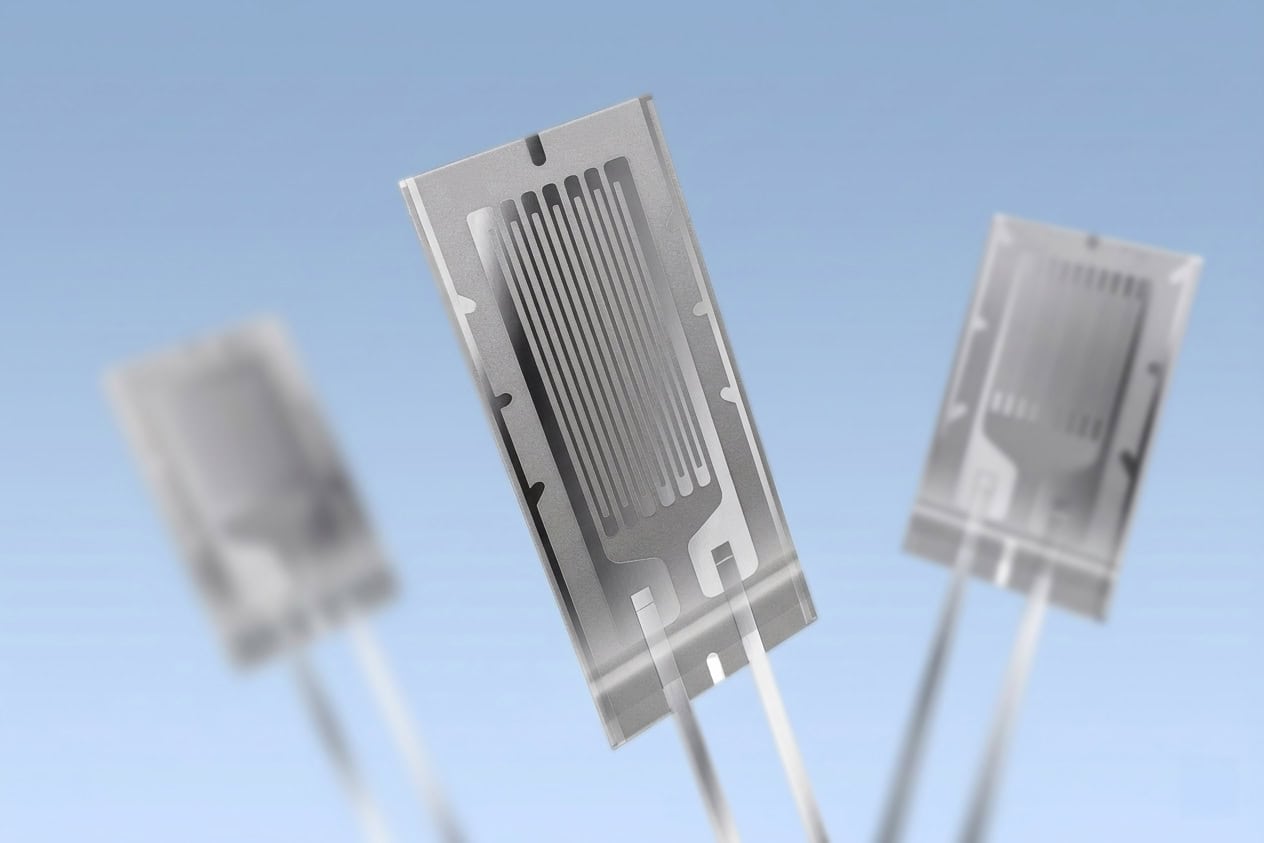
This is the "engine room" of the device. The role of extensometers (or strain gauges) is to translate the mechanical deformation of a component into a change in electrical resistance. They consist of a series of very fine conductive wires that form a resistor. These gauges are bonded to the spring element. When it deforms under a load, the gauge stretches or contracts, and the resistance varies proportionally to the applied force.

2. The wheatstone bridge
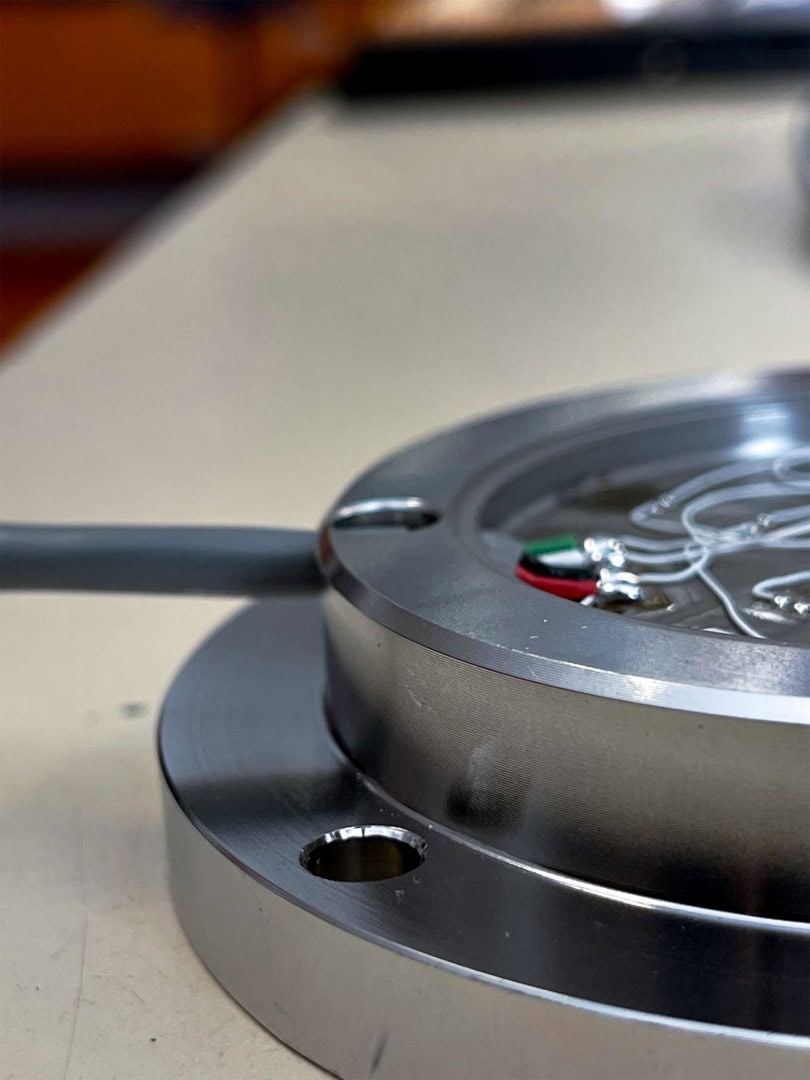
To measure these minute variations in resistance, a Wheatstone Bridge circuit is used. Several strain gauges are interconnected to measure the magnitude of the deformation as a variation in the electrical signal, expressed in mV/V.
3. Conversion and the measuring chain
The analogue signal of just a few millivolts is extremely sensitive to electromagnetic interference. Therefore, the measuring chain consists of:
Industrial load cells are available in various shapes and designs. The specific morphology chosen is dictated by the intended application of the weighing system.
Selecting the appropriate type of cell depends primarily on several factors:
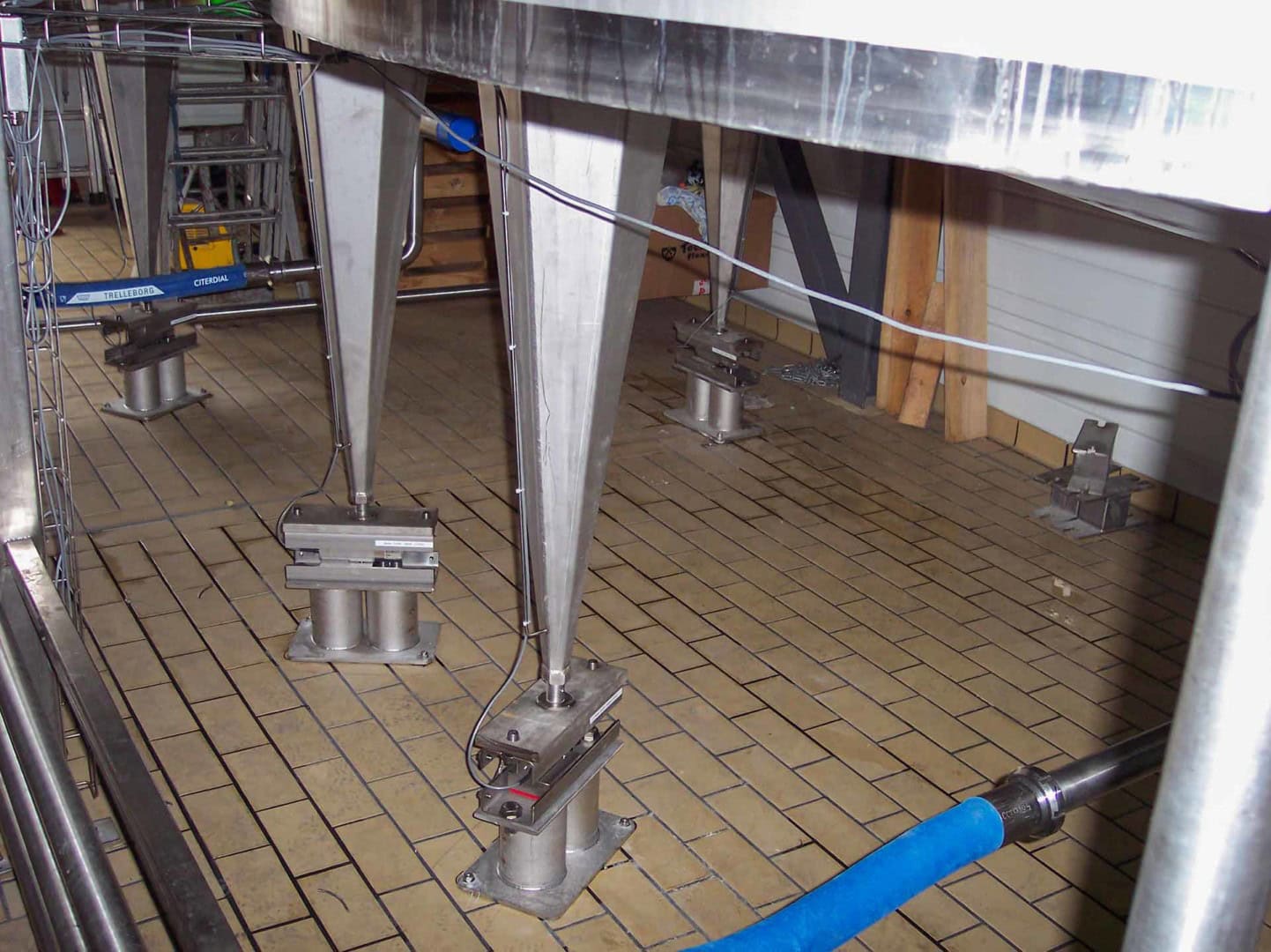
Compression sensors are among the most widely used in industrial weighing systems. They are specifically engineered to measure massive loads applied vertically.
Typical applications include:
These sensors are capable of supporting very high capacities while maintaining excellent accuracy.
Tension sensors are utilised when the load is suspended. They measure the force exerted in systems such as:
These sensors are frequently used in specific applications where measurement must be performed in a hanging configuration.
Bending beam sensors are generally used for medium or low-capacity weighing applications. They are frequently integrated into:
Their design provides high precision while maintaining a compact footprint.
Shear beam sensors are particularly suited for demanding industrial environments. They offer very high performance in terms of measurement precision and accuracy.
They are commonly used in:
The design of shear beam load cells helps reduce the influence of parasitic forces and improves the overall stability of the measurement.
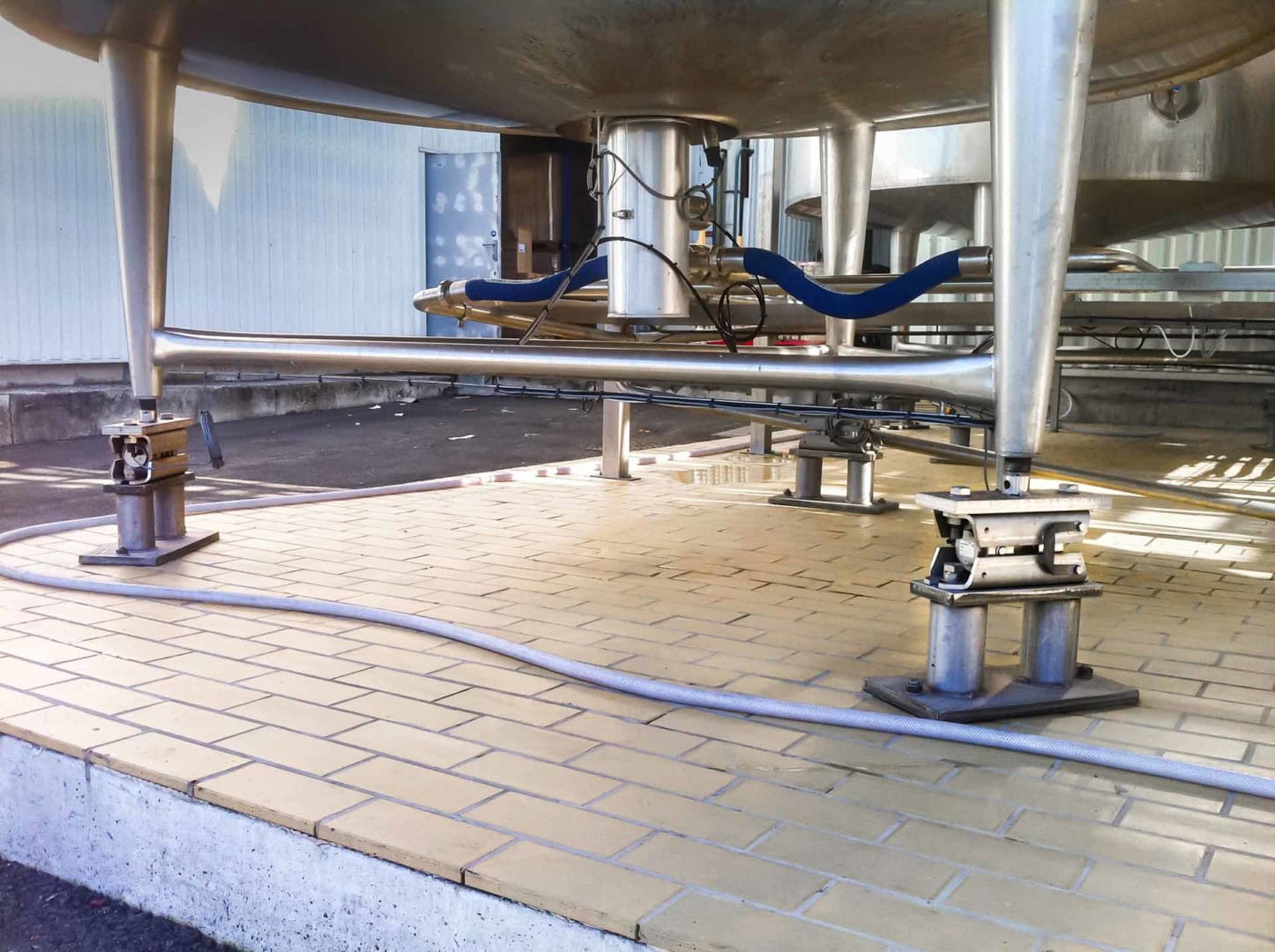
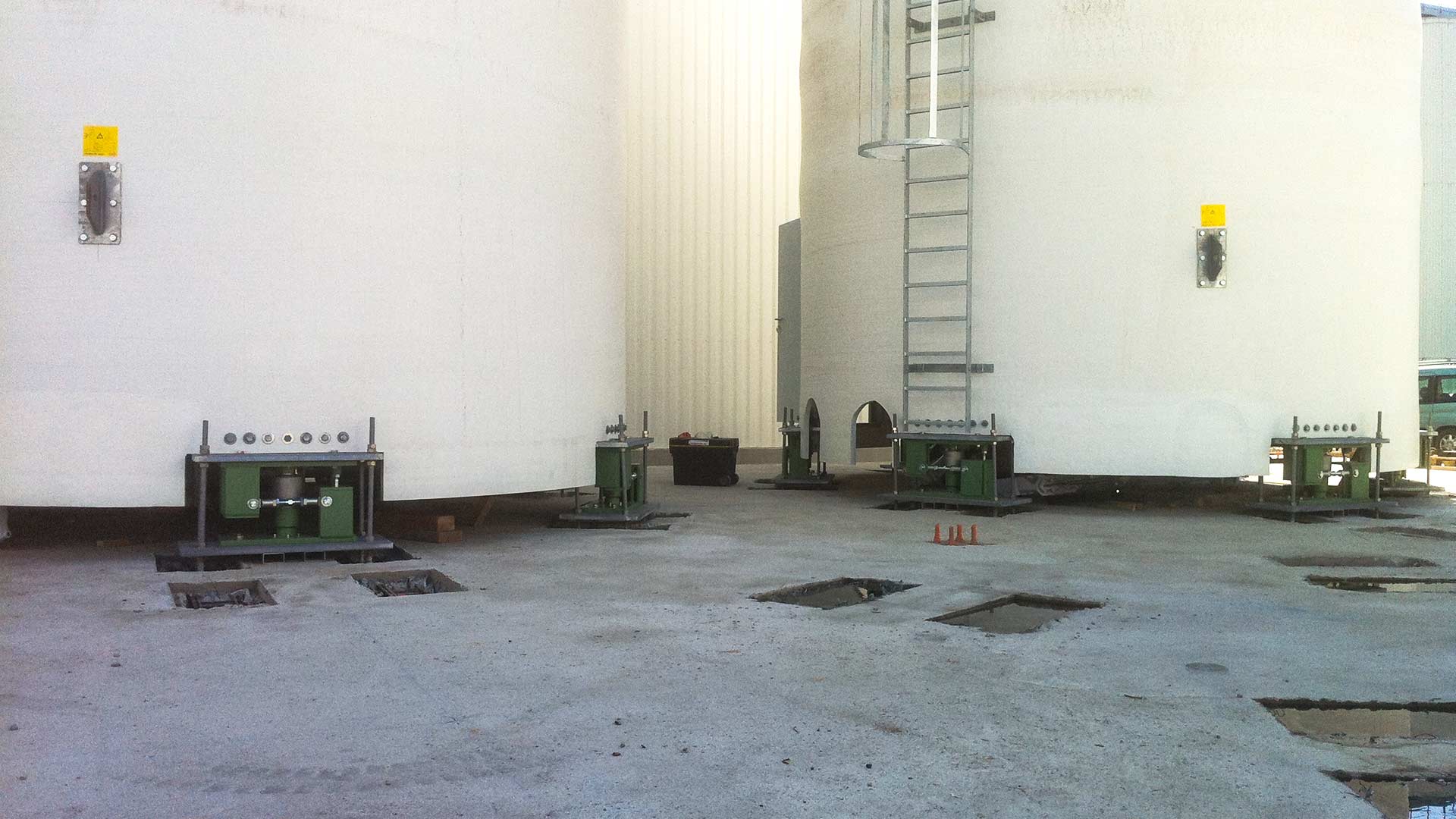
The weighing of vertical structures, such as storage silos or fluid tanks, generally relies on the installation of industrial compression load cells positioned under each leg of the structure.
Unlike level sensors, which measure a volume subject to density variations or the formation of material "cones," weighing provides a real mass measurement that is insensitive to the physical nature of the product. The major challenge here involves managing environmental constraints: outdoor silos are subject to wind loads and thermal expansion. To guarantee reliability, self-centring mount kits are used to absorb the horizontal movements of the tank without distorting the measurement. These kits also integrate anti-tip devices to ensure the safety of the installation.

Integrating load cells onto reactors or mixers is a more complex operation because it directly involves the chemical or thermal transformation process.
In this context, the weighing system does not merely monitor stock; it controls the precise dosing of components (liquids or powders) injected into the vessel.
The main difficulty lies in eliminating parasitic forces: agitators create mechanical vibrations, and supply piping exerts structural resistance.
The use of flexible connections (bellows) and advanced digital filters in the weighing electronics is essential to isolate the net weight from the turbulence of the mixing process.
Selecting an industrial load cell involves more than simply picking a model capable of supporting a maximum load. In an industrial environment, several parameters must be analysed to guarantee measurement reliability and system durability.
Do not choose a sensor based solely on its theoretical data sheet. Here are the decisive parameters for a sustainable investment.
The nominal capacity (or rated capacity) of a sensor corresponds to the maximum load it can measure under normal operating conditions.
However, in an industrial installation, it is crucial to allow for a safety margin to account for:
For example, in silo or tank weighing, the actual load applied to each sensor can vary depending on how the weight is distributed within the structure.
It is therefore recommended to select industrial load cells with a capacity higher than the calculated theoretical load (including the dead weight of the container). Depending on the application factors, the capacity may be oversized by 25% to 100% or more. If in doubt, contact an expert such as Captels.
The performance of a sensor is not merely a simple global error percentage. It is governed by standardised accuracy classes, primarily defined by the OIML (International Organisation of Legal Metrology) via the R60 recommendation.
The accuracy of a load cell depends on several parameters:
For a process engineer, it is essential to distinguish between accuracy (the sensor's ability to provide a value close to the true weight) and precision or repeatability (its ability to repeat the same measurement under identical conditions).
Classes are denoted by a letter (A, B, C, or D) followed by a number representing the number of measurement points, or verification intervals. For example, a Class C3 industrial load cell means it is capable of dividing its maximum capacity into 3,000 distinct measurement intervals while adhering to the maximum permissible errors.
Analysing the application allows for the definition of the required accuracy and precision class. This is fundamental for determining the quality level of the measurement result.
In certain industrial applications, precision is critical. This is particularly true for:
While Class C3 is the versatile standard for most of these applications, higher classes (C4 to C6) are preferred for high-precision dosing. Beyond simple weight division, the accuracy class encompasses critical technical parameters such as combined error (including non-linearity and hysteresis) and thermal drift.
Indeed, a high-class industrial weighing sensor guarantees signal stability even when the temperature fluctuates. However, it is pointless to over-specify the class if the mechanical structure (frame flexibility, friction) presents uncertainties greater than the resolution of the sensor itself.
Industrial load cells are frequently installed in demanding operational environments. Several factors can significantly influence their performance:
In harsh environments, sensors must feature:
In explosive atmospheres (ATEX zones), sensors must be intrinsically safe certified.
Industrial load cells intended for the food or chemical industries are generally designed to withstand intensive washdown procedures and corrosive cleaning agents.
In an industrial weighing system, sensors must operate under specific mechanical conditions. Measurement errors often stem from parasitic forces that are not aligned with the sensor's measurement axis.
These forces can be caused by:
A sound mechanical design helps to limit these constraints and ensure a stable measurement.
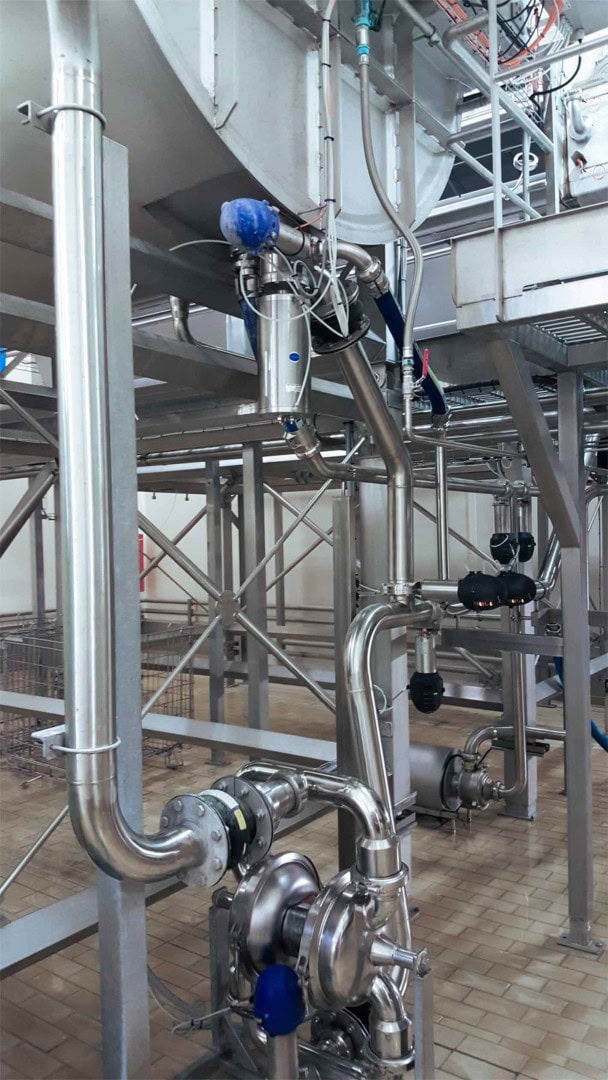

The choice of sensor must also take into account its integration into the industrial installation. Several parameters must be analysed:
In some cases, the use of a custom-made weighing sensor may be necessary to meet the specific constraints of the installation.Do you have an integration project?
We can conduct a preliminary study of your mechanical constraints to determine the optimal nominal capacity.
The integration of industrial load cells is a vital stage in ensuring the accuracy and stability of the system.
Poor installation can lead to significant measurement errors, even if the sensors themselves are high-performance components.
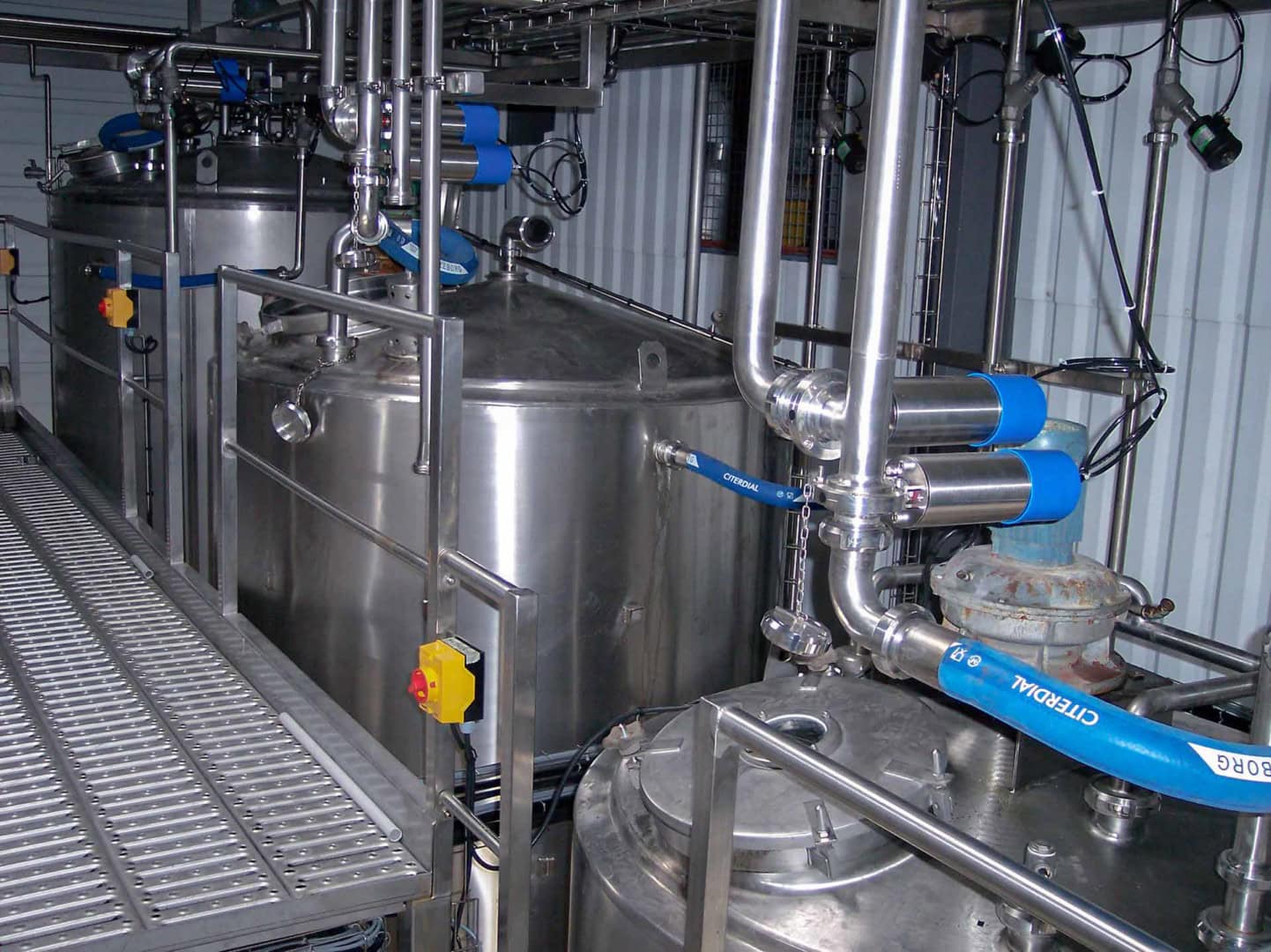
The mechanical installation must allow the weight sensor to measure force exclusively along its primary axis. Various connections for supply or discharge devices must not create parasitic forces that compromise weighing accuracy. To achieve this, all connections should be made using the most flexible coupling possible.
Mounting kits come equipped with load cells and are delivered ready for use. Their simple yet clever design ensures the safety and stability of the structure while allowing for quick and easy installation. These devices ensure the correct transmission of the load to the load cell.
They contribute to:
This same ease of installation is also guaranteed should a defective sensor need replacing: it can simply be extracted from the kit without dismantling the entire assembly and replaced with an equivalent new sensor.
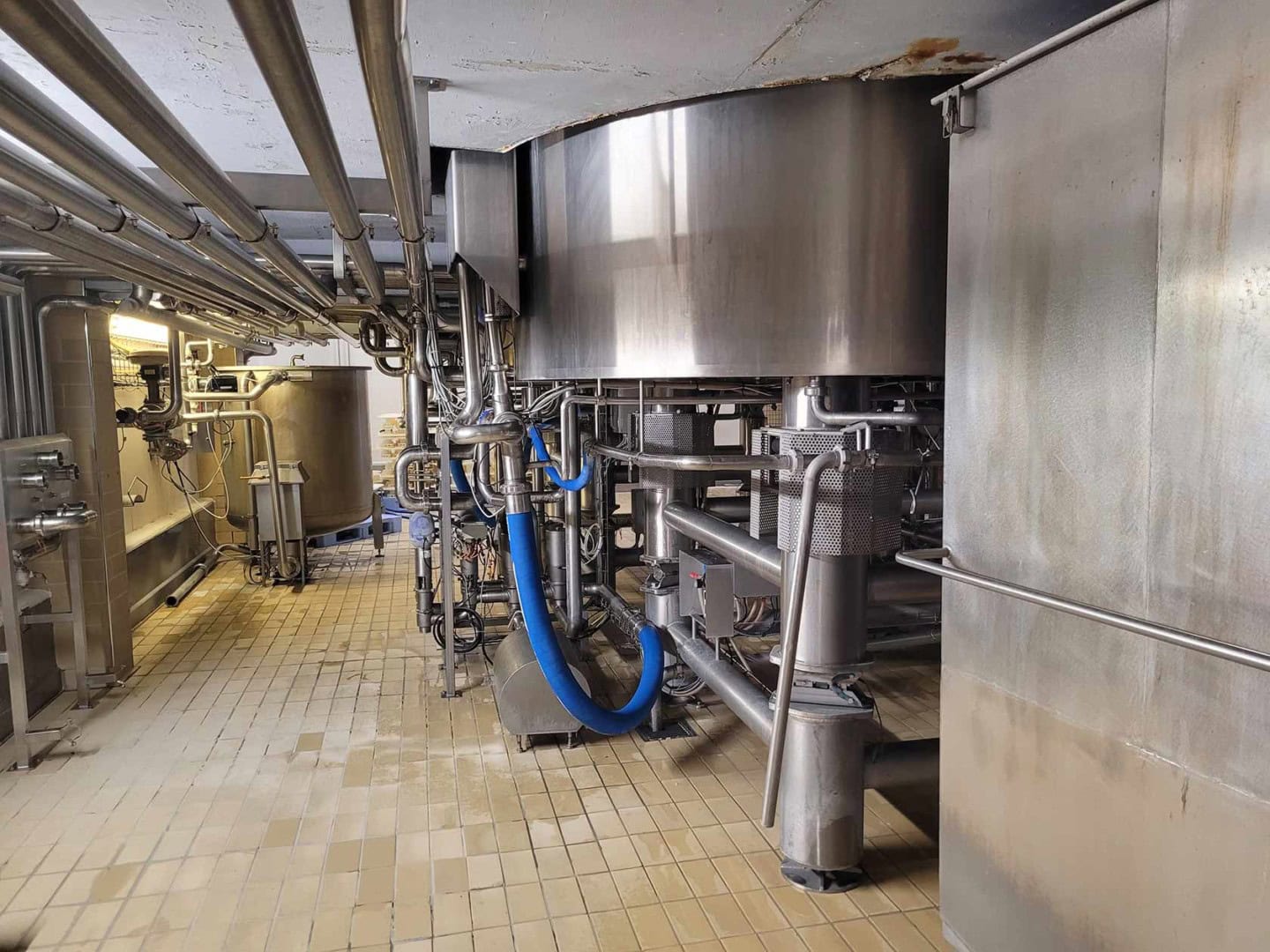
This is a critical point of vigilance: the hyperstatic distribution of loads. In a perfect theoretical world, a structure resting on four supports would divide its total weight by four. In industrial reality, due to frame manufacturing tolerances, floor flatness, or slight structural deflection, it is physically impossible for the four contact points to be perfectly coplanar.
In practice, a four-legged structure almost always behaves like a three-legged stool where one leg is slightly "lame". This mechanical phenomenon implies that 85% to 90% of the total load (dead weight + live load) can rest on only three of the four industrial load cells. If you size your load cells by simply dividing the maximum mass by four, you expose the most stressed sensors to permanent overload, reducing their lifespan or distorting measurement linearity.
To compensate for this inevitable imbalance, the calculation of a sensor's nominal capacity must incorporate a rigorous safety coefficient (generally between 1.2 and 1.5). This allows the system to absorb load imbalances, as well as potential dynamic shocks or wind effects on outdoor silos.
Ignoring this unequal distribution often leads to signal saturation on certain sensors while others appear under-utilised. A professional installation always provides a capacity reserve to ensure that each industrial load cell operates within its optimal linearity zone, even in the event of severe load shifting.
Calibration is an indispensable step to guarantee the accuracy of an industrial weighing system. Without this rigorous procedure, the millivolt signals sent by your industrial load cells remain merely raw data without concrete metrological value.
In technical language, calibration consists of comparing the values displayed by your system against reference standards (certified test weights traceable to national standards). Adjustment, on the other hand, is the operation that consists of correcting the instrument so that it displays the exact value.
Adjustment operations systematically begin with a zero tare setting. This step allows the electronic subtraction of the structure's dead weight (the weight of the empty tank, silo, or mixer) so that the indicator only considers the live load. An incorrectly performed or drifting zero setting distorts the entire measurement curve, as it shifts the signal's point of origin.
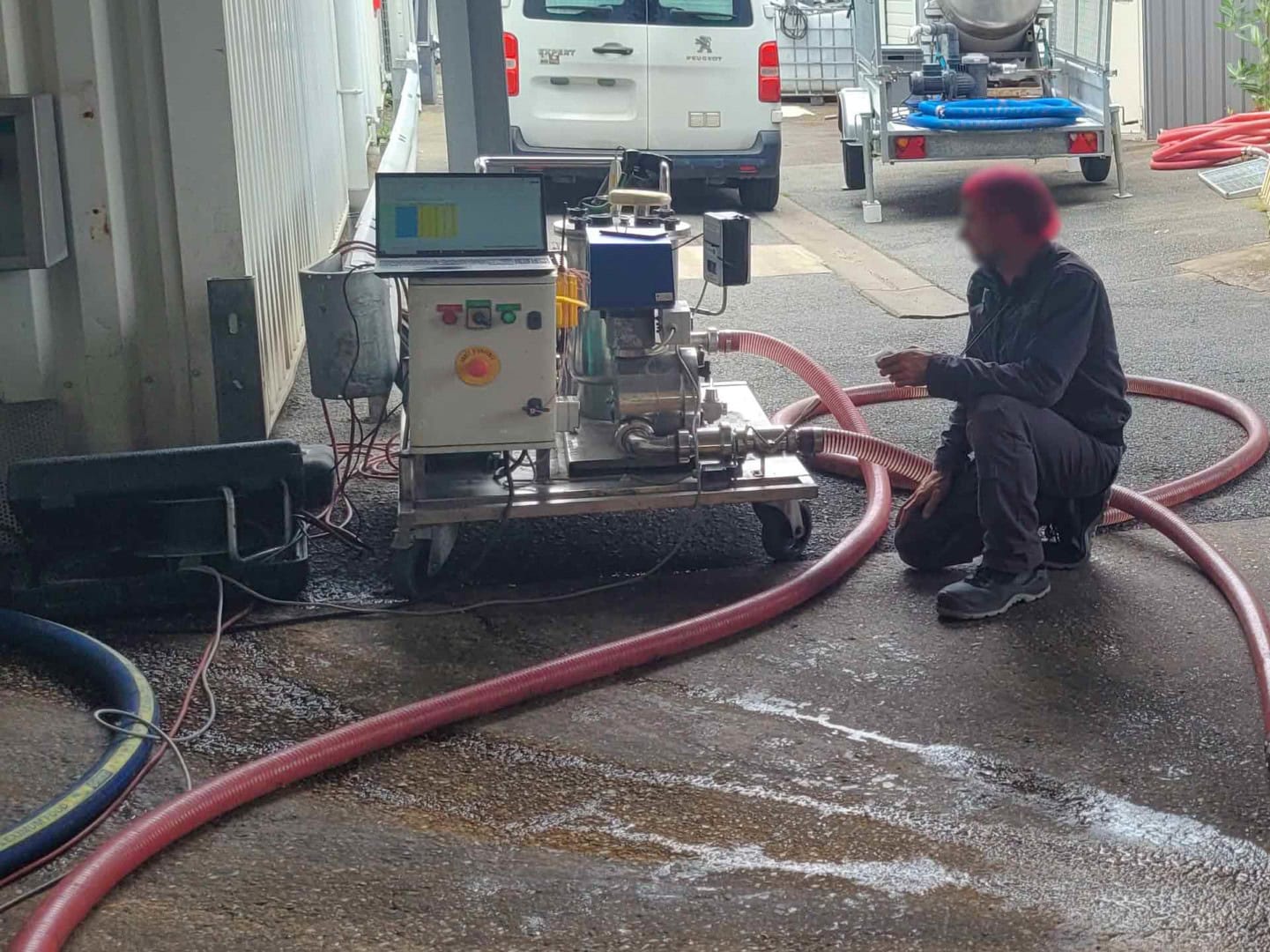
Depending on the accessibility of your installation and the required accuracy, several methods can be deployed:
The calibration of industrial weighing sensors must be verified periodically to guarantee measurement reliability.

The reliability of a measurement chain depends not only on the initial accuracy of the equipment, but on the installation's capacity to be maintained within its nominal specifications over the long term. A coherent maintenance strategy is the only way to prevent metrological drift and unplanned downtime.
A load cell rarely fails without warning signs. Regular monitoring allows for the detection of early failure indicators before they impact production. Three key indicators must be monitored:
L'interchangeabilité facilite la gestion des stocks de pièces détachées et limite la durée d'intervention en cas de remplacement. Une intégration réussie repose sur deux piliers techniques :
Dimensional standardisation : Le maintien d'une hauteur sous charge et d'un entraxe de fixation fixes permet de remplacer un capteur sans restructuration mécanique du châssis ou de la cuve pesée.
Sensitivity calibration : La standardisation du signal de sortie (généralement 2.00 mV/V avec une tolérance stricte) permet de substituer un capteur sans modifier l'étalonnage global du système. L’alignement du signal garantit ainsi la continuité des mesures après l'intervention.
In critical processes, such as high-speed dosing or the storage of strategic raw materials, reducing the MTTR (Mean Time To Repair) relies on proactive component management. Anticipating the need for spare parts—such as pre-calibrated sensors, specific mounting kits, and junction accessories—helps limit exposure to operational risk. The longevity of an industrial installation also depends on the long-term availability of parts. This prevents the complete replacement of a system due to a simple stockout of obsolete components.
The choice of an industrial partner, particularly for bespoke applications, relies on mastering the entire value chain: from sizing the spring element according to the environment (materials, corrosion resistance, certifications) to on-site commissioning.
Technical expertise, whether sought to validate a mechanical installation, resolve complex force shunt issues, or ensure on-site commissioning, constitutes the primary lever of reliability for industrial installations.
To learn more about solutions adapted to industrial environments, you can consult our dedicated industrial weighing page or speak with an expert.
An industrial load cell (or weighing sensor) is a transducer used to measure force, typically the weight of an object or material. It converts this physical force into an electrical signal, enabling precise measurement within a weighing system.
A load cell operates using strain gauges attached to a metallic element. When a load is applied, this element deforms slightly, and the gauges detect this deformation, producing an electrical signal proportional to the weight.
The load cell is the specific component that measures force. The term weight sensor (or weighing sensor) is more general and can refer to the entire measurement device or assembly used within a weighing system.
To choose an industrial load cell, it is necessary to analyse the required load capacity, the necessary accuracy class, the environmental constraints, and the specific integration conditions within the installation.
The number of sensors depends on the structure of the tank. In most industrial installations, three or four load cells are used to ensure an even load distribution.
The lifespan of a load cell is not limited by a fixed number of years, but rather by the number of loading cycles and the severity of its environment. Under nominal operating conditions—adhering to capacity ranges, avoiding overloads, and in a protected environment—a high-quality sensor can operate without drift for more than 10 to 15 years.
It is strongly discouraged. If welding is unavoidable, it is imperative to bridge each sensor with a high-section earthing strap (grounding cable) and place the welding earth clamp as close as possible to the electrode. This prevents the current from passing through the spring element and the strain gauges, which could cause irreparable damage to the internal electronics.
The test is performed using a multimeter: check the input and output resistance (against the technical data sheet), test the insulation between the wires and the sensor body, and monitor the unloaded output signal (the "zero") to detect any potential permanent deformation.
Website created by Citron Noir